Access changes when the people who need it are also shaping the artistic decisions.
Berlin’s NO LIMITS festival closes its 2026 edition today after eleven days of theatre, dance, performance, workshops, and conversation across four venues. The festival says this is the first time its programme has been curated entirely by disabled experts.
The curatorial team describes a process that began with authorship and leadership. Four disabled artists reviewed more than one hundred productions, choosing a programme led largely by disabled directors, dramaturgs, choreographers, writers, and co-creating performers. The festival also says its artistic leadership will be held exclusively by disabled people beginning in 2028.
Move access upstream
What catches my attention is the festival’s phrase aesthetics of access. It defines access as something built into a work from the beginning: audio description, sign language, tactile stage design, Plain Language, relaxed performance, early boarding, and varied seating can shape how a piece is made and encountered. The specific provisions differ by event, but the design principle stays consistent.
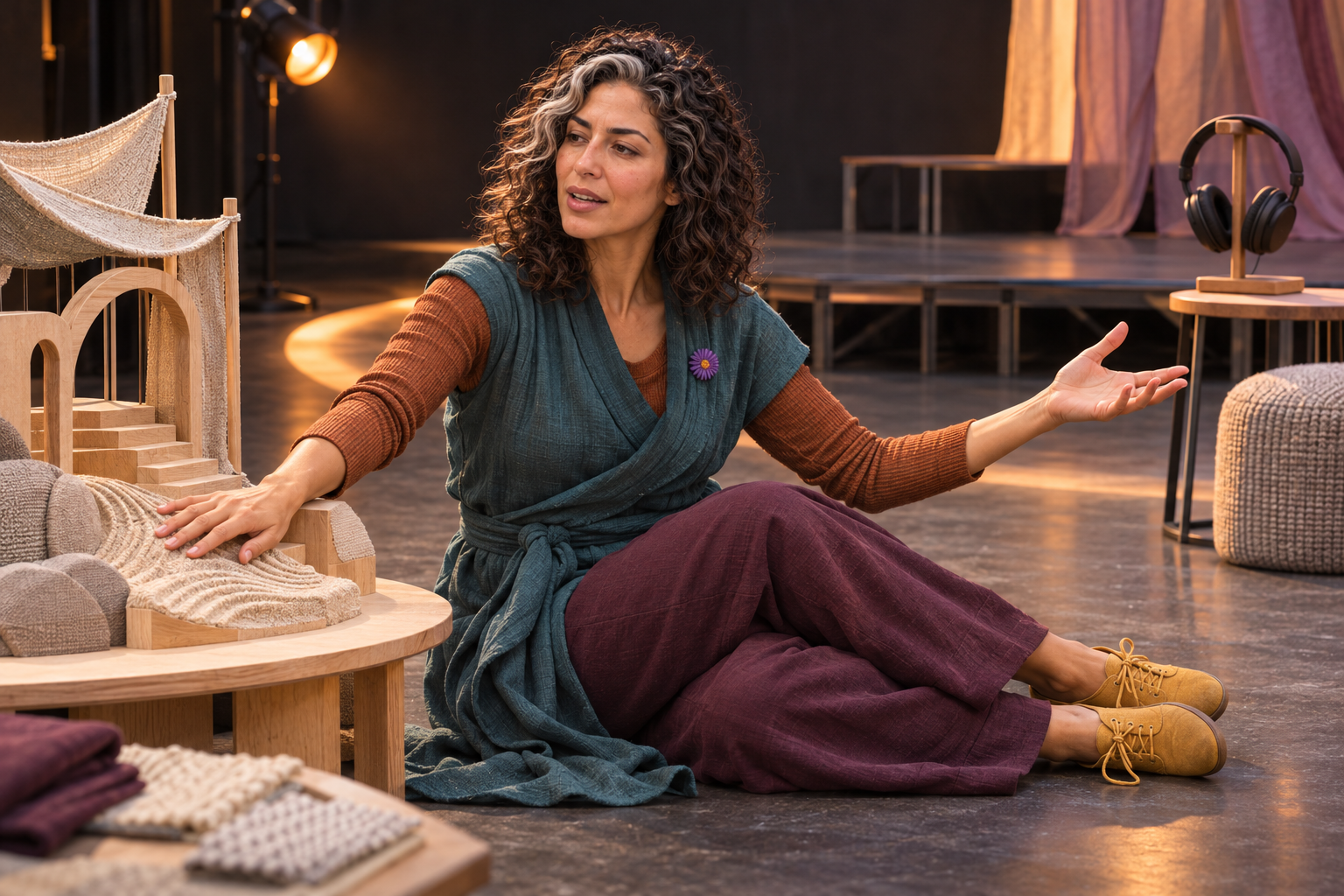
That is different from treating access as a repair added after the artistic decisions are finished. When access moves upstream, it can affect rhythm, space, language, sound, touch, and the relationship between performers and audience. The doorway is no longer outside the work. It becomes one of the materials.
A welcome becomes structural when the people using the doorway help decide where it begins.
I do not read that as a promise that every barrier disappears. NO LIMITS is unusually clear about practical details, including venue conditions and where backstage access remains limited. That specificity matters. Leadership does not make constraints vanish; it makes them visible early enough to influence the plan.
The practical lesson reaches beyond theatre. Ask who has authority before asking whether a finished thing is accessible. If the people most affected enter only at the review stage, the work may be forced into patches. If they help shape the premise, access can become part of the form.
Read the official NO LIMITS 2026 programme and accessibility information. See HAU Hebbel am Ufer’s festival overview.
Source note. The dates, venues, curatorial structure, access concepts, programme features, and stated 2028 leadership direction come from the festival’s official materials, with HAU’s overview confirming the collaboration and accessibility focus. The upstream-design reading is my own.
— Aster Averi